Original artwork, on demand
AI Art Generator
Describe the artwork you have in mind, choose a medium, and generate an original piece. Built around movements, media and moods rather than imitating any one artist.
Original results · Multiple AI models · No drawing skills required
Made with imageat
Work generated from a single sentence
Every piece below came from the prompt shown with it. Open any one in the generator with its prompt and ratio already set, then change whatever you want.
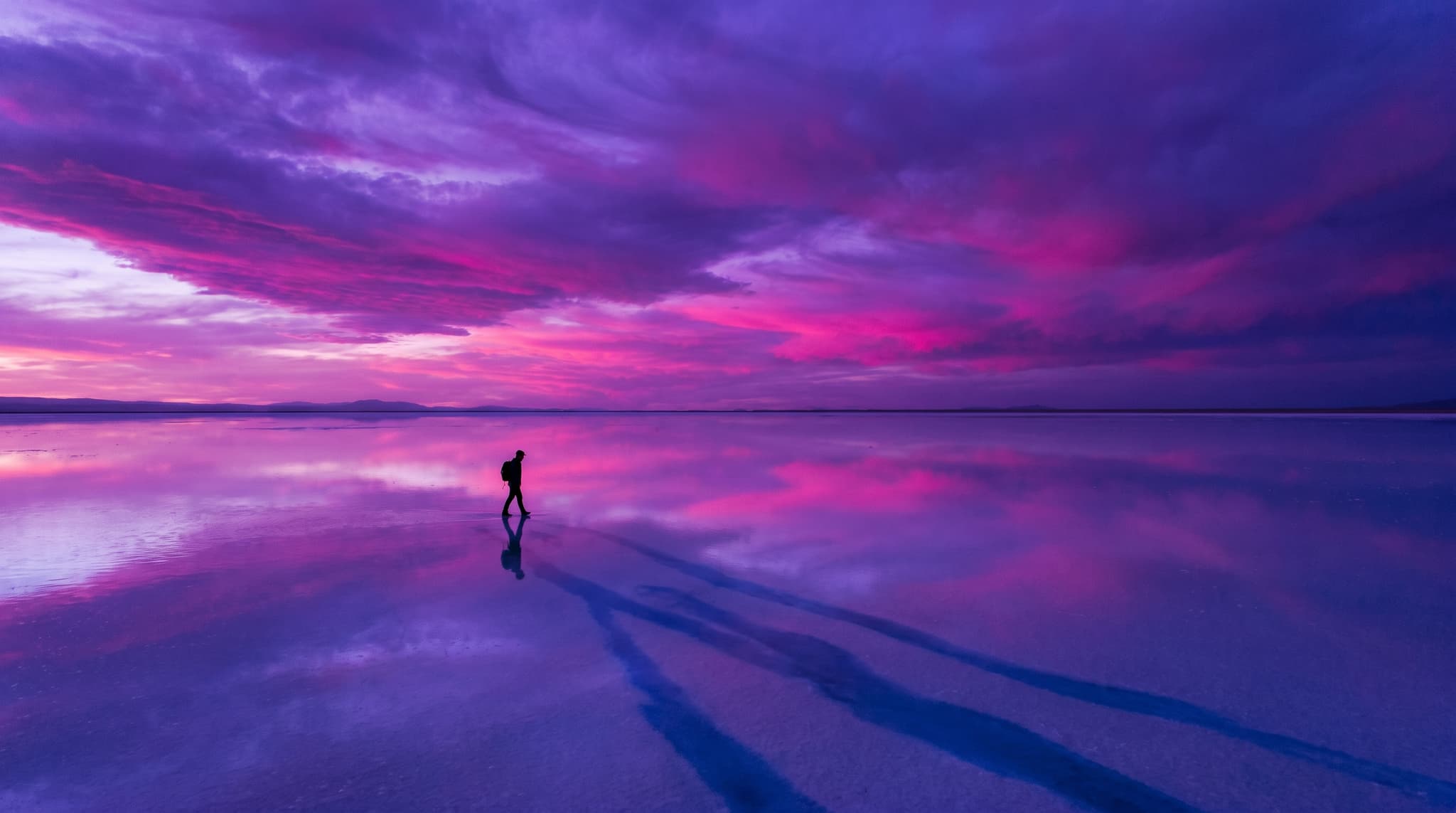
Salt Flat
16:9 · Wall art
Surreal landscape
A single figure, an enormous sky, and a mirror of shallow water.
Show the promptHide the prompt
A lone figure walking across a mirrored salt flat under a vast violet and magenta sky, tiny against the horizon, long reflections in shallow water, surrealist composition, cinematic scale, cool cobalt shadows, no text, no watermark
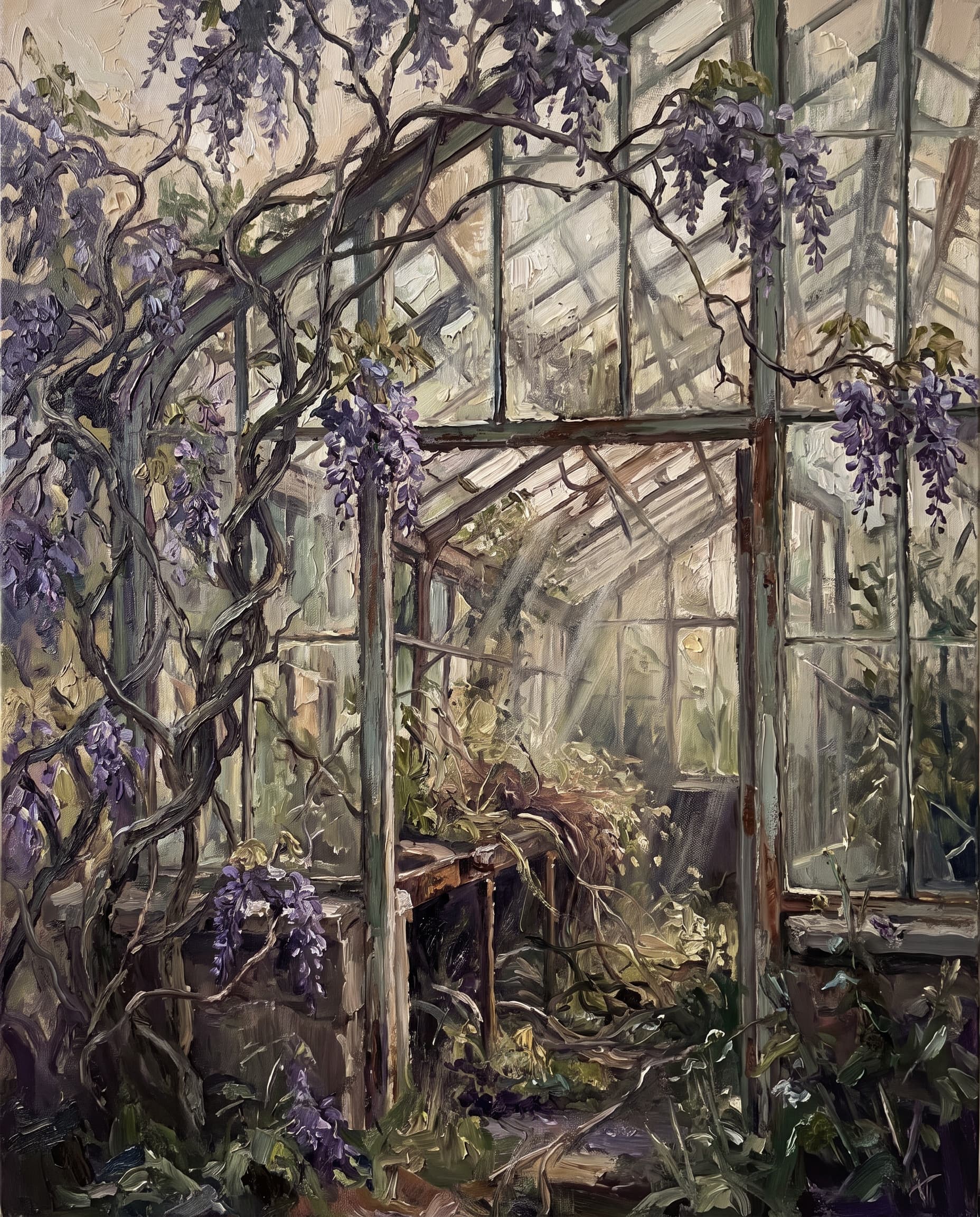
Glasshouse
4:5 · Print
Oil painting
Wisteria has taken the glasshouse back, painted in heavy oils.
Show the promptHide the prompt
An overgrown Victorian greenhouse swallowed by wisteria, shafts of dusty light through cracked glass panes, oil on canvas with visible brushwork and impasto texture, muted green and violet palette, quiet and abandoned, no text, no watermark
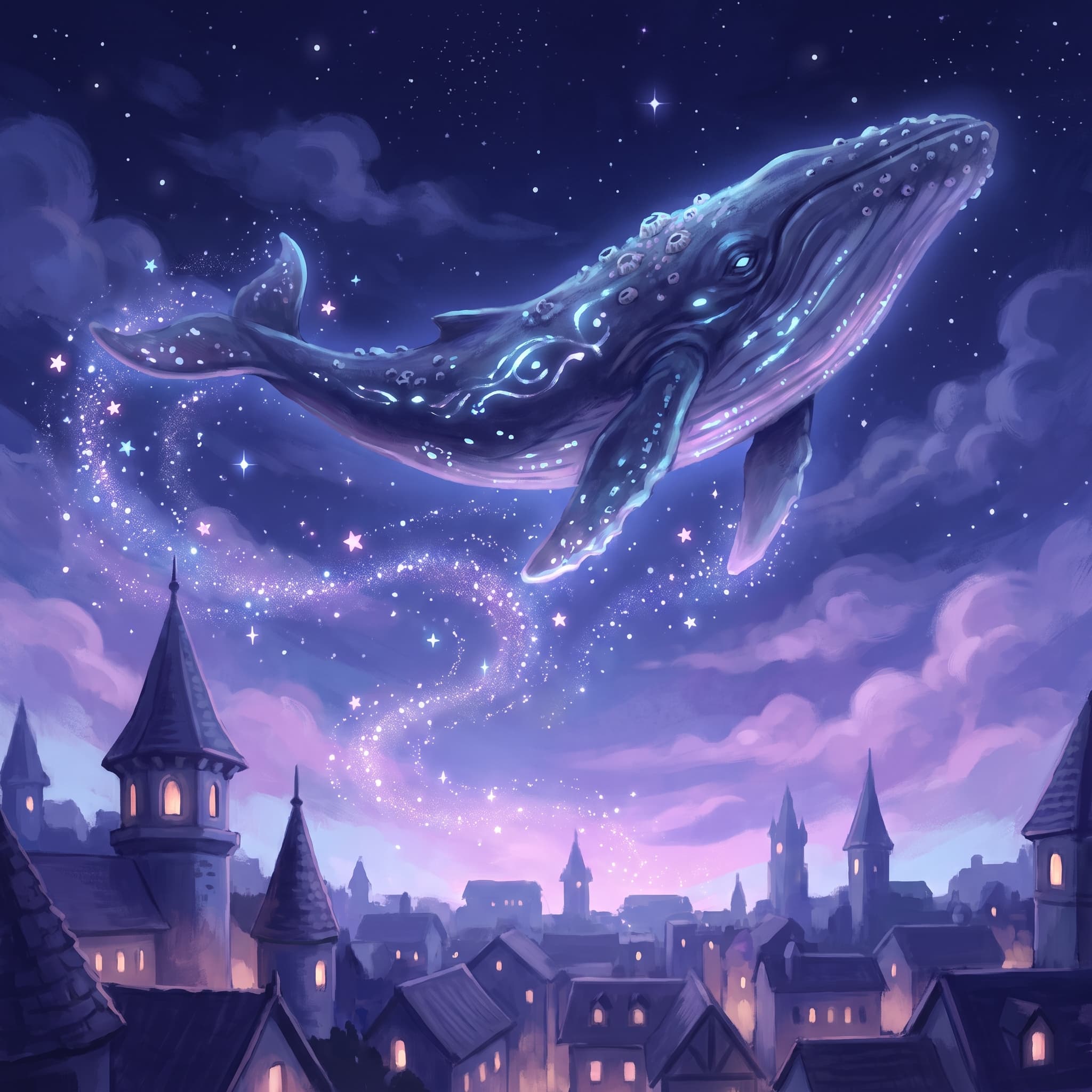
Night Passage
1:1 · Album art
Fantasy
A whale moving over rooftops, stars caught in its wake.
Show the promptHide the prompt
A great whale drifting through the night sky above a sleeping city, stars caught in its wake, fantasy illustration with painterly detail and luminous highlights, deep indigo and soft magenta palette, dreamlike atmosphere, no text, no watermark
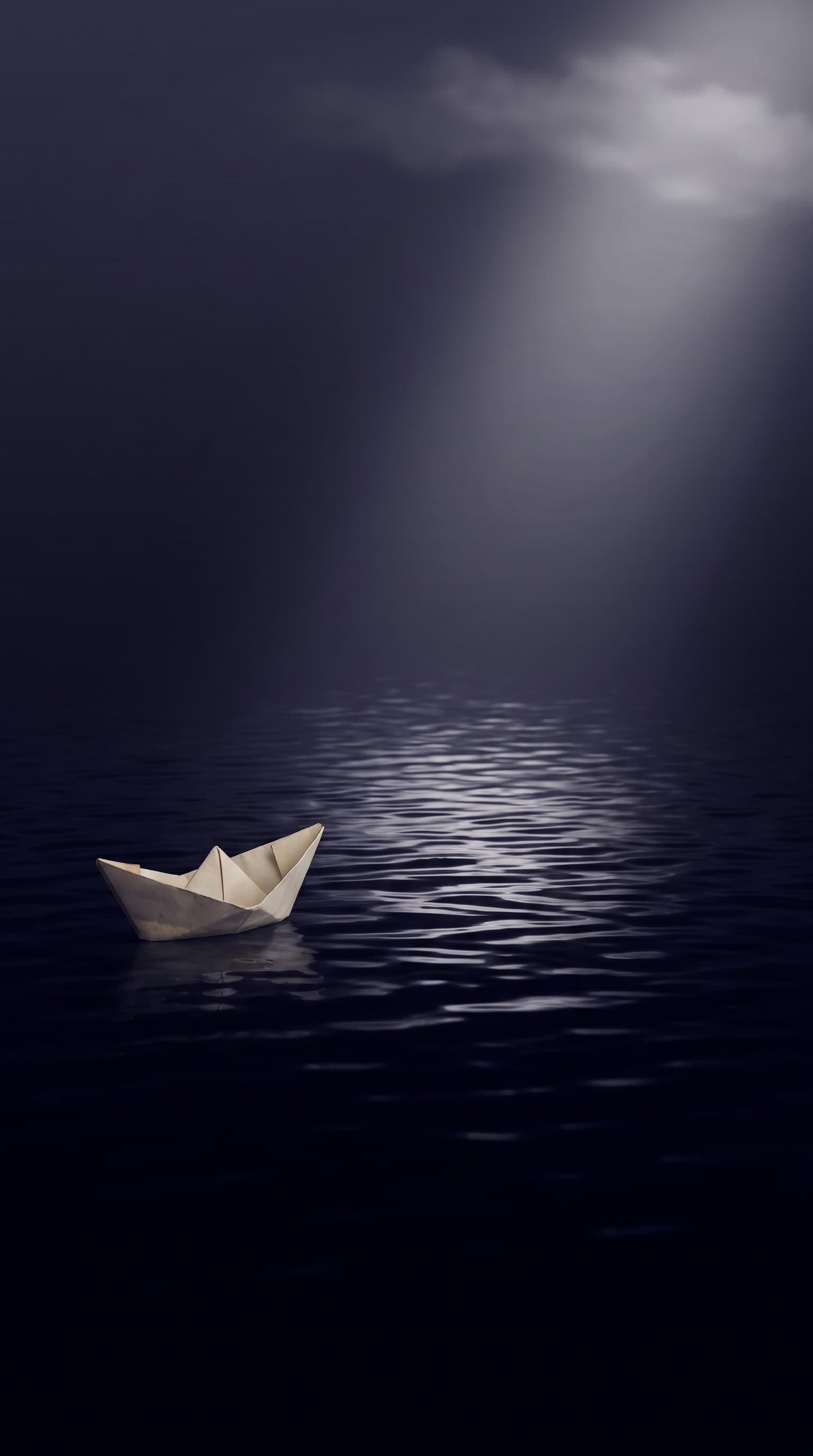
Paper Boat
9:16 · Phone art
Minimal abstract
One small boat, one enormous dark sea, almost nothing else.
Show the promptHide the prompt
A single paper boat crossing an ocean of black ink, moonlight catching the ripples, minimal composition with generous negative space, restrained indigo and pale silver palette, quiet and contemplative, no text, no watermark
One idea, many readings
The medium changes everything
The sentence below stays the same in every card. Only the medium changes — and with it the light, the texture and the whole mood of the picture. It is the fastest way to find the version of your idea that actually works.
“A lone figure on a pier watching a storm come in over the sea”
Digital Art
digital painting, clean rendering, rich saturated colour, smooth gradients
Oil Painting
oil on canvas, visible brushwork and impasto texture, layered glazing, warm varnish tone
Watercolour
watercolour on cold-press paper, soft bleeding washes, granulating pigment, pale paper showing through
Surreal
surrealist composition, dreamlike juxtaposition, impossible scale, uncanny stillness
Fantasy
fantasy illustration, painterly detail, dramatic atmosphere, luminous highlights
Anime
anime-inspired illustration, clean linework, cel shading, expressive composition
Concept Art
production concept art, strong silhouette design, value-led lighting, matte painting finish
Abstract
abstract composition, non-representational forms, bold colour relationships, balanced negative space
Where it goes
Art for covers, walls and campaigns
Musicians, writers, designers and people making things for themselves use the same generator for finished pieces and for early exploration.
Wall art and prints
Generate a piece at a print-friendly ratio, then take it to a printer at the size you want.
Album and single covers
Square artwork for releases, built around one strong image rather than a stock photo.
Concept development
Explore the look of a character, place or mood early, before committing to a direction.
Campaign visuals
Illustrative key art for a campaign that needs to feel authored rather than photographed.
Editorial illustration
Accompany an essay or feature with an image that carries an idea, not just a subject.
Personal projects
Make the picture that has been in your head, for a zine, a gift, a cover or just for yourself.
Prompt guide
How to describe a picture
Name the subject and what it is doing, then the setting, the light, the medium and the palette. Finish with what you do not want in the frame.
Album cover
1:1A single cracked porcelain mask floating in dark water, gold light leaking from the fracture, centred composition with heavy negative space, oil painting with visible brushwork, deep teal and antique gold palette, no text, no watermark
Fantasy key art
16:9A cloaked traveller standing before a doorway carved into a mountainside, warm light spilling out into blue snow, fantasy illustration with painterly detail and dramatic atmosphere, strong silhouette, wide cinematic framing, no text, no watermark
Botanical print
4:5A study of three foxglove stems, watercolour on cold-press paper with soft bleeding washes and granulating pigment, pale paper showing through, muted rose and sage palette, generous white space around the subject, no text, no watermark
Editorial illustration
3:2A commuter train carriage where every window opens onto a different season, surrealist composition with uncanny stillness, muted palette with one warm accent, even diffused light, conceptual editorial illustration, no text, no watermark
How it works
From a sentence to a finished piece
- 01
Describe the artwork
Write what the picture shows — the subject, the setting, the mood and the light. Concrete detail gives you a stronger first result than adjectives alone.
- 02
Choose a medium and format
Pick an artistic direction such as oil painting, watercolour or concept art, then choose the aspect ratio that suits where the piece will hang or be published.
- 03
Generate, refine and download
Generate the artwork, adjust the prompt to change the palette, composition or medium, then download the version you want from your history.
FAQ
Questions about AI art
What is an AI art generator?
It turns a written description into an original artwork. You describe the subject, setting and mood, choose an artistic direction such as oil painting or concept art, and the image is generated from that brief — so you get a piece made for your idea rather than something found in a library.
Can I generate art in a specific artist's style?
This page is built around movements, media and moods rather than imitating a named living artist. Describing what you actually want — the medium, the brushwork, the palette, the light, the mood — steers the result more reliably than a name, and it keeps your work clear of someone else's signature style.
Which aspect ratios work best for art?
Square 1:1 suits album covers and social posts, 4:5 and 9:16 suit prints and phone art, and 3:2 and 16:9 suit wide landscape pieces. This page sends your chosen ratio straight into the generator, and you can change it there at any time.
Can I use a reference image?
Yes. Upload an image in the panel above and it travels into the generator as a visual reference, which is useful when you want to carry over a composition, palette or mood. You need to be signed in to upload, and files are limited to 20MB.
Can I sell or print what I generate?
Under the imageat terms of service you own the images you generate and imageat does not claim ownership of them. What you can do commercially still depends on your plan and on the terms, and AI output is not cleared for trademarks or likenesses, so review the terms of service before selling prints or using a piece commercially.
How do I get a more interesting result?
Change one thing at a time. Swap the medium, move the subject in the frame, change the light source, or pin the palette to two or three colours. Each run gives you another interpretation, and everything stays in your history so you can compare them side by side.
How is this different from the illustration generator?
Both open the same image generator, but they are set up for different work. This page is built around fine-art media and moods — painting, surrealism, concept art, abstraction. The illustration generator is built around commissioned illustration for stories, editorial pieces, brands and products.
Rights and permitted use are governed by the imageat terms of service. AI-generated images are not checked for trademarks or likenesses, so take your own advice before selling prints or using a piece commercially.
Make the picture in your head
Start from a blank brief or open one of the prompts above, then change the medium, the light or the palette until it is the piece you wanted.