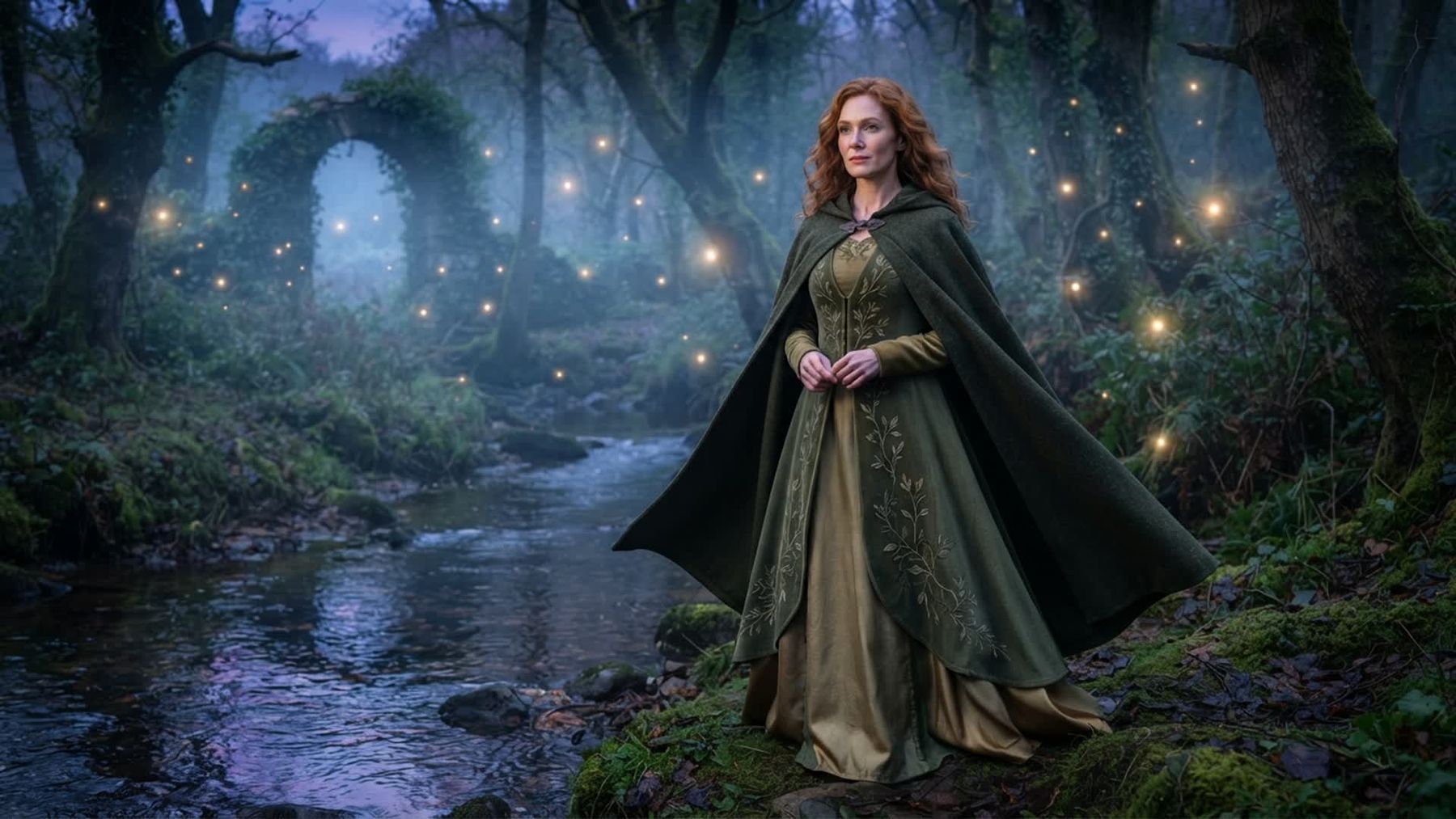
A memorable fantasy portrait needs more than a dramatic costume. The strongest images combine one clear story, a controlled color palette, intentional light, and a pose that belongs in the imagined world. You can build that scene in a real location, create it digitally, or mix both approaches.
If you want to explore the concept before organizing a full shoot, the Fairy Tale Photo Generator on imageat turns one clear portrait into an original storybook character. The current pack offers three ready-made directions, so you can test a visual idea without writing a prompt. Use the result as creative inspiration—not as a replacement for another artist’s character or a promise that a real costume will look identical.
This guide covers 12 original fantasy photoshoot ideas, practical styling and posing choices, a simple imageat workflow, and the mistakes that most often make fantasy portraits feel artificial.
What makes a fantasy photoshoot look convincing?
A fantasy photo feels convincing when all its visual choices support the same world. A delicate woodland portrait might use soft side light, mossy greens, weathered fabric, and a quiet pose. A storm sorcerer concept might use harder light, angular clothing, wind, and a low camera angle. Either can work. Mixing every fantasy symbol into one frame usually does not.
Before choosing props, write a one-sentence story:
- A wandering cartographer finds a glowing ruin at dusk.
- A palace gardener protects a greenhouse after midnight.
- A traveler waits at the last station between two worlds.
That sentence gives you a character, action, place, and mood. Every later decision can be tested against it.
12 fantasy photoshoot ideas to try
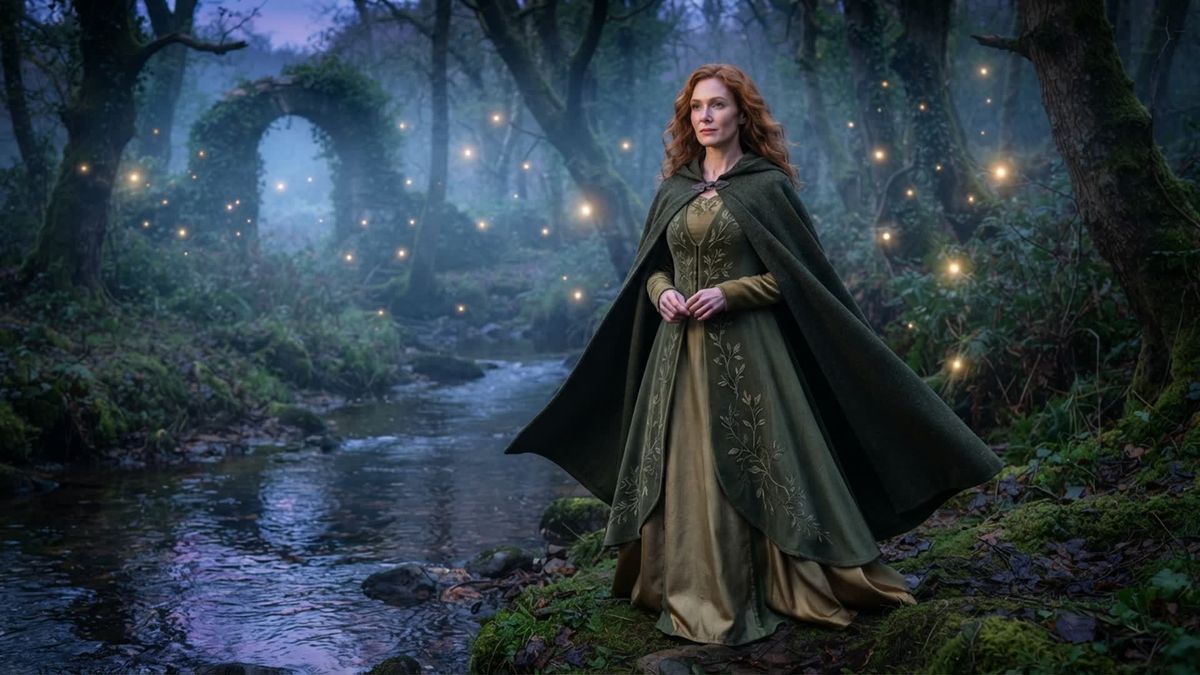
1. Enchanted forest wanderer
Build this concept around texture rather than obvious magic. Choose a moss-green, brown, or muted gold palette. Layer linen, wool, worn leather, or a softly draped cloak. Photograph near old trees, a shallow stream, ferns, or a stone path in open shade.
Ask the subject to walk slowly or look past the camera as though they have heard something. A few small background lights can suggest fireflies, but keep them subtle.
Prompt starter: “original forest wanderer beside an ancient stream, blue-hour mist, botanical embroidery…” Finish it with your preferred wardrobe, season, lens feel, and mood.
2. Moonlit palace gardener
Instead of a familiar prince-or-princess costume, imagine a caretaker responsible for rare flowers after dark. Use deep navy, silver, faded lilac, and dark green. A greenhouse, conservatory, arched doorway, or garden wall can imply a palace without requiring an elaborate set.
Pose with pruning shears or a basket of flowers. Light the face softly and place a cooler light behind the subject to suggest moonlight.
3. Desert oracle
For a warmer fantasy portrait, combine sand, terracotta, oxidized copper, and indigo. Use flowing fabric that can move in a breeze, but secure it safely and avoid fragile environments. A rocky landscape, plain stucco wall, or even a paper backdrop can become the setting.
Try a centered, still pose with direct eye contact. Let fabric, dust, or projected patterns create movement around the subject. Jewelry should share one metal finish rather than looking like a random collection.
4. Keeper of the floating library
This is a useful indoor concept because the story can be communicated through books, paper, light, and composition. Dress the subject as an archivist or traveler instead of copying a recognizable wizard. Use a long coat, practical satchel, handwritten-looking blank pages, and warm desk lamps.
Shoot one frame with the subject reaching for a book and another reading near a pool of light. If you add floating pages in editing, vary their angle and blur according to distance. Keep all visible pages blank or illegible so fake text does not distract from the portrait.
5. Storm messenger
A storm messenger delivers news across a dangerous landscape. Choose charcoal, slate blue, and one accent such as rust or crimson. A fitted coat, scarf, gloves, and weathered bag communicate travel better than decorative armor.
Use a low angle, directional light, and a gentle wind machine. For safety, create rain with backlit mist in a controlled environment rather than working near dangerous weather.
6. Celestial mapmaker
This character charts stars from a quiet observatory. Build the look with midnight blue, ivory, brass, and tiny points of warm light. Circular windows, an attic, a dark studio, or projected star patterns can establish the location.
Give the subject a practical action: measuring a map, adjusting an instrument, or marking a route. The scene becomes more believable when the character is doing a job. Avoid readable constellations, technical labels, or copied franchise symbols; abstract linework is enough.
7. Autumn potion maker
A potion-maker portrait can feel cozy rather than sinister. Use amber glass, dried citrus, herbs, wood, and warm window light. Dress the subject in layered earth tones with sleeves that leave the hands visible.
Photograph pouring, measuring, or checking a bottle against the light. Use food-safe materials; colored water, tea, and culinary herbs create the visual language safely.
8. Guardian of a forgotten gate
Find a weathered doorway, stone arch, iron gate, or simple studio structure. The subject is not just standing there; they decide who may enter. A long coat or structured cape can create a strong silhouette, while one key or geometric talisman provides a focal point.
Pose square to the camera for authority, then turn slightly and look beyond the gate for a narrative variation. Add haze only where ventilation and local rules allow. A narrow backlight can separate the silhouette without filling the frame with effects.
9. Underwater court without going underwater
Create an aquatic fantasy safely on land. Use translucent fabric, projected ripples, teal light, shells, pearl-like accessories, and slow fan movement. Photograph against a dark blue backdrop, then let fabric drift upward from outside the frame.
Keep makeup luminous rather than covering the face with glitter. Reflected light across the background sells the underwater mood without the specialist requirements of a real underwater session.
10. Winter hearth storyteller
Not every fantasy image needs an epic landscape. A winter storyteller can sit near a window, fireplace-style practical light, or candle-like LED source with a worn journal and heavy blanket. Use cream, burgundy, forest green, and dark wood.
Ask for small actions: turning a page, pausing mid-story, or looking toward someone outside the frame. Keep actual flames controlled and distant from fabric. Battery-powered lights are safer and easier to position.
11. Clockwork botanist
Blend organic and mechanical details without copying a steampunk franchise. Start with a field jacket, apron, magnifying lens, pressed leaves, copper wire, and small handmade mechanisms. Limit the props to objects the character would actually use.
A workshop table gives the hands something to do. Side light will reveal metal, paper, and leaf textures. If you add mechanical elements digitally, make their shadows and perspective agree with the photographed scene.
12. Traveler at the last station
Imagine a railway platform between ordinary life and an unknown world. You can use a vintage-looking station, an empty corridor, or a studio bench with directional light. Dress the subject for travel in an original coat, practical boots, and a simple case without logos.
Photograph the moment before departure: checking an unreadable ticket or watching for a distant light. Warm and cool lights can suggest two different worlds.
How to plan a fantasy portrait from idea to final image
1. Reduce the concept to one sentence
Write who the character is, where they are, and what is happening. “A magical forest portrait” is too broad. “A tired mapmaker discovers a hidden stone arch at sunrise” gives the team something specific to build.
2. Choose three visual anchors
Pick one wardrobe feature, one environmental feature, and one lighting feature. For example: a moss-green cloak, a shallow stream, and cool backlight. Additional details are optional. These anchors prevent prop overload.
3. Build a tight color palette
Choose two dominant colors and one accent. Repeat them across fabric, makeup, props, and background. If every object has a different saturated color, the portrait can feel like a costume shop rather than a coherent world.
4. Prepare a simple shot list
Plan a wide scene, a waist-up portrait, a close face portrait, a hands-and-prop detail, and one moving frame. This gives you variety without inventing new ideas under time pressure.
5. Protect the subject and location
Check permits, weather, footing, fire rules, and prop safety. Never leave confetti, glitter, wire, or artificial flowers outdoors.
How to create a fairy-tale portrait with imageat
1. Take a clear source portrait
Use one sharp, front-facing or slightly turned photo. Keep the eyes visible, hair away from important facial features, and the face large enough to see. Soft window light or open shade gives the workflow more useful identity detail than harsh colored light.
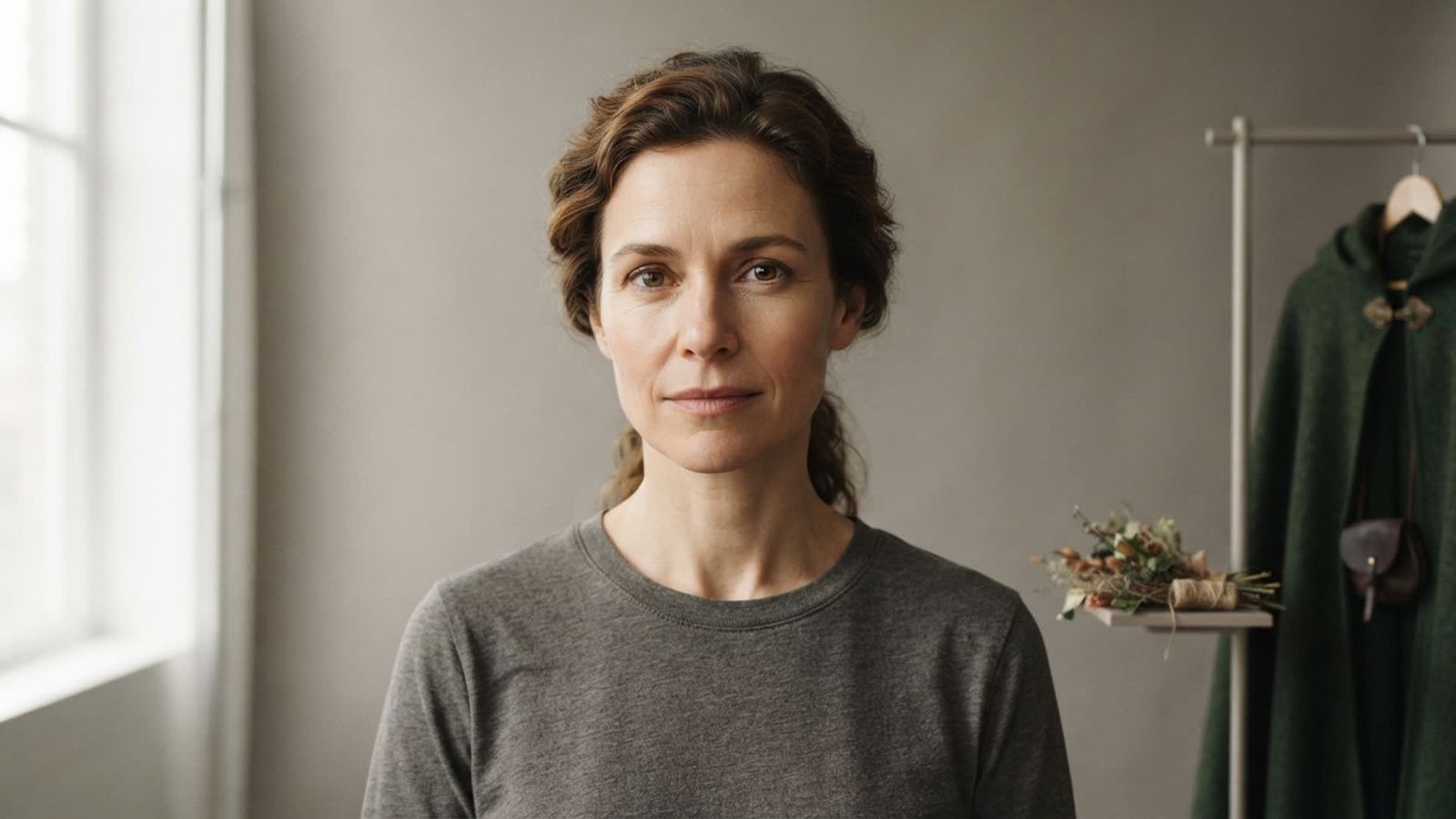
If the face is too dark, make a restrained correction first with the relight tool. Avoid aggressive skin smoothing or face reshaping because recognizable features are the point of the reference.
2. Upload a supported file
The current Fairy Tale Photo Generator accepts JPG, PNG, or WebP. Use the original photo when possible rather than a compressed messaging-app screenshot. The live page asks for one clear portrait.
3. Choose a ready-made direction
The pack currently offers Clean studio, Editorial street, and Cinematic setting. Clean studio favors a natural result with flattering light. Editorial street adds more visual impact. Cinematic setting uses a candid lifestyle direction.
No prompt writing is required in this pack. If you are developing a custom concept elsewhere, use the short prompt starters in this guide and complete the creative variables yourself rather than copying a long fixed formula.
4. Generate and inspect the complete image
At publication time, the interface displays 6 credits per generation and produces a polished 4:5 image. Check the live cost before generating because product details can change. Review the eyes, hands, hair, fabric edges, jewelry, and background—not only the overall mood.
5. Refine only what needs work
If the image is strong but one small region is distracting, use the AI photo editor instead of rebuilding the whole concept. If you need more output resolution for a larger layout, try the image upscaler after choosing the best version.
For wardrobe exploration before a physical shoot, a virtual clothes try-on can help compare broad outfit directions. Treat any generated preview as concept art; real fabric, fit, tailoring, and color can differ.
Posing tips for fantasy portraits
Give the hands a purpose
Ask the subject to hold a map, adjust a cloak clasp, gather herbs, or reach toward the environment. Empty hands often become stiff because the subject does not know what the character is doing.
Direct attention, not just the chin
“Look left” produces a pose. “You hear someone approaching through the trees” produces intention. Give the eyes a reason to move and the posture will often follow.
Use movement in short bursts
Walk, turn, lift fabric, or let a coat settle. Shoot the beginning and end of the movement as well as the middle. Keep fans gentle and stop if hair, contact lenses, or loose props become uncomfortable.
Capture a quiet frame
After the dramatic pose, make a simple close portrait with relaxed shoulders and clear eyes. It is often the most emotionally useful image in the set.
Common fantasy photoshoot mistakes
Copying a famous character too closely
A recognizable costume may produce immediate familiarity, but it limits originality and can create intellectual-property concerns. Build a new character from occupation, environment, palette, and mood instead of reproducing a franchise design.
Using too many props
One meaningful object is usually stronger than five unrelated objects. Remove anything that does not explain the character or improve the composition.
Hiding the face
Heavy shadows, veils, hair, masks, and effects can all be beautiful, but combining them may erase the portrait. Decide whether identity or mystery is the priority, then expose the face accordingly.
Ignoring ordinary details
Modern watchbands, visible clothing labels, plastic bottles, exit signs, and parked cars can break the illusion. Check the frame edges before shooting and clean minor distractions with an editor only when you have the right to alter the image.
Making every effect glow
Glowing eyes, jewelry, plants, portals, and particles compete for attention. Choose one source of magic and let the rest of the frame support it.
Fantasy photoshoot checklist
- One-sentence character story
- Two dominant colors and one accent
- One wardrobe anchor
- One meaningful prop
- Safe, permitted location
- Wide, medium, close, detail, and motion shots
- Clear source portrait for digital concept tests
- No copied characters, logos, or fake readable text
- Final check of faces, hands, fabric, shadows, and background
Frequently asked questions
What should I wear for a fantasy photoshoot?
Choose clothing that supports the character’s job and environment. Layered natural fabrics, a strong silhouette, and one distinctive detail usually photograph better than a collection of unrelated costume pieces. Keep the palette controlled and avoid visible modern logos.
Can I create a fantasy portrait from a selfie?
Yes. A sharp, well-lit selfie can work if the face is not distorted by an extreme wide-angle view. A chest-up portrait taken slightly farther from the camera usually preserves proportions better. The imageat pack uses one portrait and is designed to retain recognizable facial features while changing setting and styling.
Do I need to write a prompt for the Fairy Tale Photo Generator?
No. The current pack provides three ready-made directions: Clean studio, Editorial street, and Cinematic setting. You select a direction rather than writing a prompt.
What aspect ratio does the pack create?
The current landing page describes a polished vertical 4:5 image. That format works well for portraits and social posts. If you need a landscape banner, plan a separate composition rather than stretching the vertical output.
Are uploaded portraits automatically public?
The current feature page says uploads are used to create the requested result and are not automatically published to the community gallery. Follow imageat’s current terms and avoid uploading another person’s portrait without permission.
How can I make an AI fantasy portrait still look like me?
Start with a clear face, even light, visible eyes, and minimal obstruction. Avoid heavy source filters. If identity is weak, improve the reference image before trying repeated generations.
Can I use generated fantasy photos on social media?
The feature page says results can be downloaded and used on profiles and social channels, subject to imageat’s terms and the destination platform’s rules. Be transparent when context makes disclosure important, and never present a fictional scene as documentary evidence.
Create an original storybook portrait
The best fantasy photoshoot ideas begin with a small, specific story. Choose one character, one environment, and one visual surprise, then make every prop, color, pose, and light serve that idea. You can browse more ready-made concepts in imageat photo packs, or start with the Fairy Tale Photo Generator to explore an original storybook direction from a clear portrait.